ICOM IC-A25N Handheld NAV/COM Transceiver w/ Bluetooth – Open Box: Advanced Pilot Communication
ICOM IC-A25N Handheld NAV/COM Transceiver w/ Bluetooth – Open Box: Advanced Pilot Communication
Blog Article
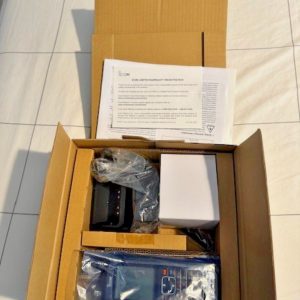
:::writingvariant="document" id="58314" ICOM IC-A25N Handheld NAV/COM Transceiver w/ Bluetooth – Open Box: Reliable NAV/COM Performance The ICOM IC-A25N Handheld NAV/COM Transceiver w/ Bluetooth – Open Box combines user-friendly controls, portable convenience, aviation communication capability, navigation functions, and Bluetooth connectivity. Choosing an open-box aviation radio may allow buyers to obtain advanced pilot equipment at a more accessible price than a comparable factory-sealed package. The ICOM IC-A25N Handheld NAV is suitable for users who want portable access to communication and navigation-related functions during flight preparation, cockpit operations, instruction, emergency planning, or airport ground activities. The ICOM IC-A25N Aviation Radio offers portable flexibility for aircraft owners who do not want to rely exclusively on panel-mounted communication equipment. An ICOM IC-A25N Handheld Radio offers mobility that panel-mounted equipment cannot provide, allowing users to communicate from the aircraft, ramp, hangar, or operations area. The Handheld NAV/COM Aviation Transceiver format offers useful flexibility to pilots who want one compact tool for several operational requirements. Whether the requirement is a Handheld Aviation Radio, Aviation NAV/COM Radio, Pilot Handheld Radio, or Aircraft Communication Radio, buyers should review package condition, included accessories, battery health, and operational compatibility before purchase. The product can support pilots seeking a Portable Aviation Transceiver, Aviation Navigation Radio, ICOM Pilot Radio, or dependable Backup Aircraft Radio.
Exploring the ICOM IC-A25N NAV/COM Platform
A multifunction handheld radio can provide useful redundancy and flexibility for pilots who regularly operate in different aircraft or environments. Its practical value comes from combining mobility, recognizable controls, aviation-focused operation, rechargeable power, and multiple communication or navigation functions. Users should understand that portable-radio coverage can differ from panel-mounted equipment connected to an external aircraft antenna. Familiarity transforms a portable radio from stored equipment into a practical and dependable operational resource.ICOM IC-A25N Handheld NAV Applications
The ICOM IC-A25N Handheld NAV can support pilots who want portable access to aviation communication and navigation information during flight preparation or cockpit operations. Private pilots may carry the device during cross-country flights, aircraft repositioning, fly-ins, or travel in rented airplanes. Navigation features should support rather than replace required pilot preparation, approved navigation equipment, current charts, and appropriate operational judgment. A complete preflight review can confirm that the radio is charged, configured, accessible, and ready to support the planned operation.ICOM IC-A25N Aviation Radio for Pilots
Aviation professionals can carry the IC-A25N when moving between aircraft instead of depending entirely on equipment installed in one cockpit. Aircraft sales organizations may keep handheld radios available during demonstrations, repositioning, delivery preparation, and customer familiarization. A complete written inventory helps purchasers compare the open-box price with the cost of replacing missing accessories separately. A functional demonstration can confirm that the radio powers on, accepts charging, responds to controls, displays information, produces audio, and recognizes included equipment.Carrying the ICOM IC-A25N Handheld Radio
A compact radio can remain in a flight bag alongside headsets, charts, flashlights, batteries, and other essential pilot equipment. Responsible storage preserves physical condition and improves the likelihood that the radio will function correctly when needed. Preparation outside the aircraft supports more confident, efficient, and less distracting use during actual operations. The radio should be removed from environments where condensation, fuel, oil, cleaning products, or maintenance debris may cause damage.Using a Handheld NAV/COM Aviation Transceiver
A NAV/COM transceiver can support normal operations, training, backup planning, aircraft delivery, and selected ground activities. Users should consider how frequently the radio will be carried, whether Bluetooth is required, and which accessories are needed for their aircraft or headset. Users should keep the operating guide accessible until they can manage essential functions without hesitation. After use, the device should be cleaned gently, charged as appropriate, disconnected from unnecessary accessories, and returned to protected storage.Handheld Aviation Radio for General Aviation
Handheld radios provide communication flexibility where panel equipment is unavailable, temporarily unpowered, difficult to access, or assigned to another aircraft. Backup capability may help pilots maintain access to important communication options while managing an abnormal situation appropriately. The operating manual and applicable aviation procedures should guide setup and use. Pilots must use aviation frequencies responsibly and comply with applicable licensing, authorization, frequency, and communication requirements.Using an Aviation NAV/COM Radio
An Aviation NAV/COM Radio gives pilots portable access to communication and navigation-support features that may complement installed cockpit avionics. The user should understand more info how to move efficiently between communication and navigation functions without becoming distracted. Pilots should maintain current charts, navigation planning, weather awareness, and suitable avionics for the flight being conducted. The antenna should be attached properly and protected from interference with controls or cockpit movement.Pilot Handheld Radio Applications
Pilots may carry a handheld radio as part of a broader emergency kit that includes lights, power supplies, charts, tools, and survival equipment appropriate to the flight. The device should remain accessible to the pilot without becoming a loose object or interfering with cockpit controls. Pilots can include the handheld in periodic proficiency exercises without making unauthorized or unnecessary transmissions. A battery that appears charged after long storage may not provide the operating duration expected under real conditions.Choosing an Aircraft Communication Radio
A handheld radio may provide additional flexibility during aircraft demonstrations, test preparation, delivery operations, or extended maintenance events. Headset and Bluetooth accessories should be tested for microphone quality and audio clarity before operational use. Understanding environmental limitations helps pilots choose the best practical location and operating method. Maintaining physical and electronic condition supports dependable Aircraft Communication Radio performance.Portable Aviation Transceiver Advantages
The ability to carry the radio personally helps operators maintain access to familiar controls and stored settings. An accessory checklist may be useful for businesses or flight schools that issue the radio to different users. A wired backup arrangement may remain useful when Bluetooth accessories lose charge, disconnect, or experience interference. The radio should remain usable even when a paired device is unavailable or the Bluetooth connection cannot be restored.Choosing an Aviation Communication Device
Commercial value is strongest when the radio includes the accessories, battery capability, and support required for actual use. Transparent condition information allows the purchaser to judge whether the price reflects the package accurately. Aviation businesses should establish procedures for cleaning shared microphones, headsets, controls, and surfaces where appropriate. A well-managed Aviation Communication Device can support efficient and dependable operations across many aviation roles.Handheld Aircraft Radio for Cockpit and Ground Use
Flight instructors can carry the radio during aircraft walkarounds, ramp exercises, and selected student-training activities. Using the radio on the ground can preserve aircraft battery power and reduce the need to energize installed avionics solely for monitoring or coordination. A handheld radio should not be placed on an unstable surface where turbulence or maneuvering could send it across the cockpit. Ramp and maintenance environments can expose portable electronics to contaminants that are less common in normal indoor storage.Aviation Navigation Radio Benefits
Navigation functions can add value during training, planning, route familiarization, and backup preparation when used appropriately. Competent use comes from practice, realistic expectations, and integration with established navigation procedures. Portable functions are most useful when they complement rather than replace disciplined aviation decision-making. A radio that has not been used recently may require charging, configuration review, Bluetooth reconnection, and accessory inspection.Maintaining an ICOM Pilot Radio
An ICOM Pilot Radio can appeal to aviation users who value an established communications manufacturer, aviation-focused controls, portable construction, and practical accessory support. An open-box unit may have excellent value, but the buyer should verify the package rather than relying solely on the model name. The correct purchasing decision reflects mission, budget, equipment condition, support needs, and actual operational preferences. Pilots should record serial information, purchase details, accessory inventory, battery condition, and any warranty documentation.Emergency Aviation Radio Preparedness
An Emergency Aviation Radio can provide an additional communication option when installed aircraft equipment becomes unavailable because of electrical, equipment, or operational problems. Users should practice essential operation under calm conditions so frequency entry and audio adjustment remain manageable under stress. Pilots should evaluate whether the radio can be heard clearly in the noise environment of their aircraft. The radio should be tested periodically without making unauthorized transmissions or interfering with operational frequencies.Backup Aircraft Radio Applications
Backup equipment can be particularly valuable during cross-country operations, aircraft delivery, training, rental flying, or travel in older aircraft. The radio should be included in preflight equipment checks appropriate to the planned operation. A dedicated flight-bag pocket, protective mount, or secured cockpit storage area may provide suitable access. Aviate, navigate, and communicate priorities remain essential whenever communication equipment problems occur.Buying an Open-Box ICOM IC-A25N
The display should illuminate correctly and remain free from major damage, unreadable sections, or unexplained visual problems. The seller should identify whether original packaging, manuals, warranty materials, and product registration documents remain available. Battery behavior should be observed for unusual heat, rapid discharge, charging failure, physical swelling, or poor connection. A professional purchasing process protects both parties and supports a fair evaluation of the open-box aviation transceiver.Protecting ICOM IC-A25N Reliability
A professional handheld transceiver should be managed as aviation equipment rather than treated like an ordinary consumer radio. Occasional-use radios should still receive periodic checks because batteries and electronic components can deteriorate during inactivity.- Check for cracks, loose parts, damaged buttons, display concerns, weak battery performance, antenna damage, charging problems, and missing accessories.
- Confirm that paired accessories, headset connections, stored information, display settings, antenna attachment, and power level are suitable for the planned operation.
- Charge and store the battery according to appropriate guidance while keeping all accessories labeled and together.